
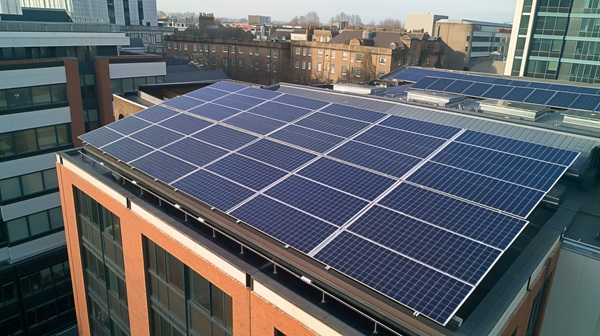
Businesses that properly utilise commercial solar panels in Norwich receive several advantages. For example, by switching to solar power, businesses in the region can reduce their reliance on electricity purchased from the grid (leaving them less vulnerable to intense price fluctuations), lessen their environmental impact, and improve their reputation.
However, it’s not just the initial installation that’s important. Without proper maintenance, these systems may not meet the actual energy demands of the business.
So, with that in mind, let’s explore how businesses can monitor solar generation, identify performance issues, and ensure systems continue to meet operational requirements, so they can get the most out of their solar panels.
Regularly Monitor Solar Generation
Understanding whether a solar PV system is actually performing as expected is essential. Modern installations typically include monitoring software that makes it easy for a business to track the production of electricity, spot trends, and compare output over time.
However, generation estimates must reflect East Anglia’s local sunlight conditions and seasonal shifts. In summer, where there are more daylight hours, energy generation is usually greater, whereas shorter winter days and overcast weather can limit the amount of electricity generated. Therefore, it’s important for businesses to compare panel performance with these seasonal fluctuations in mind.
Identify and Address Performance Issues Immediately
Dirt and debris, shading from nearby trees or buildings, and damaged panels can all affect the performance of solar PV systems. If a business notices a sudden or unexpected drop in electricity generation, it could indicate a problem that needs fixing.
This is why it’s important for businesses to arrange semi-regular inspections to check that the panels, mounting equipment, wiring, and inverters are all in good working condition.
Assess Roofs Prior to Installation
Before installing a new system or expanding an existing one, businesses must confirm that the building is suitable. A roof’s structural integrity, available space, orientation, and shading should all be assessed prior to installation or expansion. Electrical infrastructure should also be considered, as this can affect how much solar electricity can be used on-site or exported back to the grid.
Addressing this first can help businesses choose the most appropriate system, preventing issues further down the line.
Don’t Waste Surplus Energy
Some businesses may find that their solar panels are generating more electricity than what is actually required. Battery storage is a great way to make use of this surplus energy, allowing businesses to use on-site electricity outside of daylight hours. Alternatively, businesses may be able to receive payment for surplus electricity exported back to the grid, but this can depend on export agreements made with the supplier or export provider.
It’s important for businesses to consider whether it makes more financial sense to explore or store this excess energy to get the most out of their investment.
With Proper Consideration, Solar Panels Are a Worthwhile Investment For Businesses in Norwich
Solar panels come with a high upfront cost, but by regularly monitoring output, addressing any issues immediately, making sure the most suitable system is put in place, and ensuring surplus energy isn’t wasted, Norwich-based businesses can get the most of their solar investment.